Hygge slow living is the intentional practice of using sensory environmental cues—such as warm lighting, soft textures, and shared meals—to downregulate the nervous system. By creating a “sanctuary of the present,” it actively trains the brain to transition from high-cortisol “rushing mode” into a restorative parasympathetic state, fostering long-term mental clarity and emotional resilience. You…

Tag: slow living
The Slow Morning Routine That Works on Real Days
A slow morning routine is the intentional practice of reclaiming the first hour of your day from digital demands and external pressures. It focuses on nervous system regulation through stillness, hydration, and light movement. By choosing ease over urgency, you cultivate a proactive mindset that prevents burnout and enhances long-term focus. According to a study…
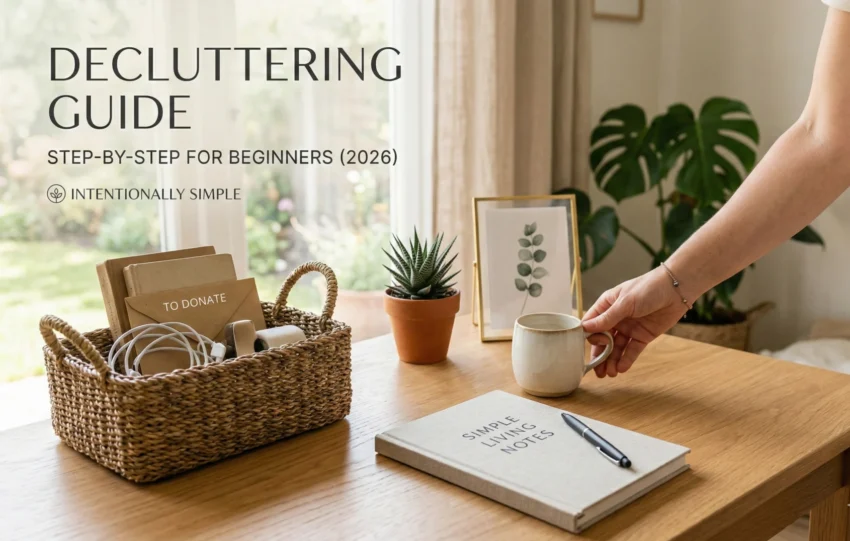
The Ultimate Decluttering Guide: Step-by-Step for Beginners (2026)
To follow an effective decluttering guide, start by choosing one small area, like a single drawer, to build momentum. Use a step-by-step decluttering process: categorize items into “keep,” “donate,” and “discard.” Focus on one room at a time to avoid feeling overwhelmed, and establish a simple decluttering system to maintain your space daily. According to…
The Hidden Cost of Owning Too Much
The benefits of decluttering extend far beyond a tidy room; it is a vital practice for reclaiming mental bandwidth and reducing chronic stress. By removing physical excess, you lower cortisol levels, sharpen your focus, and eliminate the “visual noise” that leads to decision fatigue and emotional exhaustion in your daily life. According to a landmark…
Why Decluttering Feels So Emotional (It’s Not About the Stuff)
Letting go of possessions is difficult because our brains view objects as extensions of our identity and history. Emotional attachment to clutter stems from a survival instinct to preserve memories and security. By acknowledging the grief involved, we shift from “throwing things away” to “making space for who we are becoming.” Research from Yale University…
The Surprising Truth About Why Your Home Feels Heavy
Decluttering your home is the intentional process of removing physical items that no longer serve a functional or emotional purpose. By reducing visual noise, you lower cortisol levels and improve cognitive focus. The most effective approach involves small, rhythmic sessions rather than marathon cleaning, focusing on letting go rather than just organizing. A landmark study…
Why you are Decluttering backwards . Here’s the Right Order
To learn how to declutter effectively, you must stop focusing on the volume of “stuff” and start with your easiest wins first. The right order begins with clear trash, moves to non-sentimental duplicates in the bathroom or pantry, and saves emotional items for last. This builds the decision-making muscle needed for a permanent lifestyle shift….
The 18-Minute Secret: How Overland Park is Reclaiming Slow Living For Its Residents
Hyperlocal urban slow living in Overland Park is the intentional design of a life where your essential needs—nature, nourishment, and community—are met within an 18-minute radius. It replaces the exhausting “commuter culture” with a high-trust, low-friction environment that prioritizes time-wealth over material speed, allowing residents to reclaim hours for mindful presence. Overland Park was recently…
How to Plan a Slow Travel Itinerary for Meaningful Journeys
To plan a slow travel itinerary, select one “anchor” location for at least two to four weeks. Prioritize local neighborhoods over tourist hubs, leave 50% of your calendar unscheduled, and focus on daily rituals—like visiting the same bakery—to foster deep cultural immersion rather than surface-level sightseeing. Research by the World Tourism Organization (UNWTO) indicates that…
Unrushed: Reclaiming Your Time in a World of Fast Travel
Slow travel prioritizes connection over checklists. Unlike fast travel, which focuses on ticking off landmarks at high speed, slow travel emphasizes staying in one place longer, engaging with local culture, and prioritizing quality of experience. It is the conscious choice to trade a frantic itinerary for a deeper, more restorative human connection. The Journal of…