Anxiety symptoms from phone notifications occur because alerts trigger the brain’s “fight or flight” response, releasing cortisol and adrenaline. This evolutionary survival mechanism misidentifies a digital ping as a physical threat, leading to an increased heart rate, shallow breathing, and a persistent state of hypervigilance often called “notification dread.” Research published in the journal Computers…

Tag: Digital detox
Why “Airplane Mode” is the Ultimate 2026 Status Symbol
Using airplane mode for mental health is a strategic practice of severing digital connectivity to reduce cortisol levels, stop dopamine-driven notification loops, and restore the brain’s default mode network. In 2026, this ‘unreachability’ serves as a high-end status symbol, signaling personal autonomy, deep focus, and a conscious rejection of the digital attention economy. A 2025…
What is a Digital Detox and Why You Need One?
A digital detox is a deliberate break from screens and devices to reduce stress and restore mental clarity. It’s not about rejecting technology—it’s about using it intentionally rather than compulsively. Your phone buzzes in your pocket—except it doesn’t. You reach for it anyway. You sit down with coffee and before the mug touches your lips,…
Why You Can’t Focus on a Book for More than 10 Minutes
You likely feel you can’t focus on reading anymore because your brain has been rewired for “hyper-responsiveness.” Constant digital notifications keep your amygdala—your brain’s emotional alarm—in a state of low-level panic. This creates a cortisol spike that makes the quiet, slow pace of a book feel physically uncomfortable compared to instant digital dopamine. Why the…
Slow Living 101 Explained: A Gentle Introduction
According to a 2025 Harvard Health report, a slower daily tempo is clinically linked to a significant drop in systolic blood pressure and an 11% reduction in cortisol levels. You wake up, and before your feet even touch the floor, your mind is already sprinting. You reach for your phone, and the blue light hits…
The Architect’s Delusion: Why Your “Productivity Apps” Are Making You Procrastinate
You are sitting at a bespoke oak desk in a quiet corner of a glass-walled office in Zurich or Singapore. The coffee is perfect. The lighting is circadian. Yet, you have spent the last forty-five minutes reconfiguring the “kanban” view on your project management tool. You are tweaking the hex codes for your tags and…
The Weight of the Unseen: Why Your Inbox is a Ghost Story
The red notification bubble sits on your glass screen like a small, bleeding wound. You hover your thumb over the icon, feel a sharp, familiar contraction in your chest, and then quickly swipe away. You aren’t deleting the messages; you are simply burying them under the sediment of a thousand other “important” threads you will…
The Dawn of the Glitch: Why Your 7 AM Screen Time is Biological Sabotage
The room is gray, the air still thick with the residue of sleep, but your thumb is already moving. You haven’t yet felt the floorboards beneath your feet or tasted the cold clarity of water, but your brain is already processing the political outrage of a stranger three time zones away. You are prone, vulnerable,…
The Phantom in Your Pocket: The Biology of the Digital Twitch
Your hand dives for your pocket before your conscious mind can veto the movement. You felt it—that distinct, haptic shudder against your upper thigh. But when you pull the glass slab into the light, the screen is a cold, black mirror. No messages. No alerts. Just a lingering, itchy phantom. You are currently experiencing a…
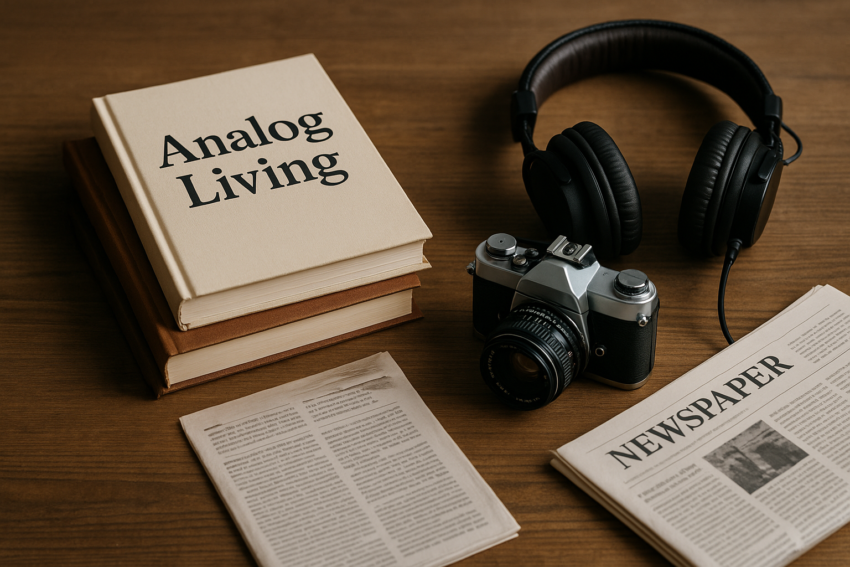
The Great Tech Rebellion: Why More Young People Are Choosing Analog Lifestyles
There’s a growing movement unfolding quietly in cafes, on porches, and across cozy, plant-filled bedrooms. It’s the sight of a young person scribbling into a leather-bound journal, reading a paperback, or brewing tea without checking their phone. You may have noticed it too. This isn’t just nostalgia. It’s the beginning of a quiet revolution—what many…