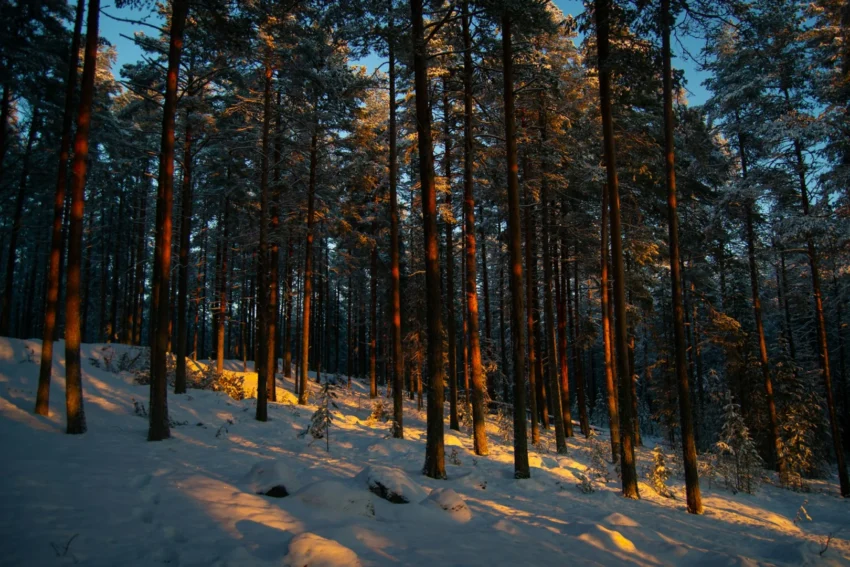
“What if the cure for stress was not found in another app, but in the open sky above your head? The friluftsliv meaning captures this truth: life feels fuller when lived in fresh air. In Norway, the art of outdoor slow living is not a weekend escape but a daily rhythm, reminding us that stillness, beauty, and balance are waiting just outside the door.”
If you’ve ever wondered that, you’re not alone. The friluftsliv meaning can feel a little slippery when translated directly into English. It literally means “free air life,” but in Norway it is not a hobby, a sport, or even just a lifestyle. It is a cultural philosophy that views time outdoors as essential nourishment for body, mind, and spirit.
In a world where many of us live tethered to screens and rushing schedules, friluftsliv offers something radically simple: permission to slow down by stepping outside.
The Roots of Friluftsliv Meaning
The term was first popularized by the Norwegian playwright Henrik Ibsen in the 1850s. In his poem On the Heights, he described the joy of roaming through forests and mountains as a way of connecting deeply with life itself. Over time, friluftsliv became embedded in Norwegian identity. It is now taught in schools, encouraged by employers, and even integrated into public policy.
What makes it fascinating is how it differs from many Western ideas of “outdoor recreation.” In much of the world, being outside is about competition or adrenaline: skiing faster, summiting peaks, or ticking off camping trips. In contrast, friluftsliv is not about performance. It is about presence. A slow walk in the woods, sipping coffee by a campfire, or simply sitting in silence watching a lake ripple all count as friluftsliv.
Why Our Nervous Systems Crave It
Here’s where science backs up the wisdom. Research in environmental psychology shows that spending even 20 minutes in natural settings reduces cortisol, the stress hormone, and restores mental focus. A landmark study from the University of Michigan found that participants who walked in nature scored significantly higher on memory and attention tests compared to those who walked in urban environments.
Think of your brain like a cup. Hustle culture keeps pouring in emails, deadlines, notifications. Eventually the cup overflows. Stepping outdoors acts like gently emptying that cup, making space again. This is why after a short hike or even lunch on a park bench, people often return clearer and calmer.
Norwegians figured this out long before science caught up. They treat friluftsliv as preventative medicine, not just leisure.
Busting the Myths About Slow Outdoor Living
Myth 1: Slow living outdoors is lazy.
In reality, slowing down takes intention. Anyone can fill a schedule with busyness, but choosing to pause, notice, and reconnect with nature requires courage in a productivity-obsessed world.
Myth 2: You need lots of gear or remote wilderness.
Friluftsliv is not about extreme survival trips or expensive tents. A walk by the river, a picnic in the park, or stargazing from your backyard qualifies. What matters is the quality of attention, not the setting.
Myth 3: It’s only possible in Norway.
While Norway’s fjords and forests look picture-perfect, the friluftsliv meaning is adaptable anywhere. City dwellers in New York, Nairobi, or Tokyo can practice it just as much as someone in the Arctic Circle. The key is stepping into open air and experiencing slowness.
How Friluftsliv Looks in Real Life
So how do people actually practice this “outdoor slow living”? Here are a few snapshots:
-
The working parent: Instead of rushing from office to home in traffic, they take their kids on an evening walk through the neighborhood, letting them climb trees and gather leaves. It becomes family bonding time and stress release rolled into one.
-
The creative entrepreneur: When facing decision fatigue, they take their journal to a quiet park bench. Surrounded by rustling leaves, ideas begin flowing more easily than in front of a laptop.
-
The city resident: Without access to forests, they cultivate a balcony garden and take mindful morning tea outside. Even in a bustling city, fresh air becomes a ritual.
These practices may look simple, but they change the texture of daily life. Over time, they build resilience, clarity, and joy.
The Link Between Friluftsliv and Slow Living
Slow living often emphasizes doing less, creating space, and choosing quality over quantity. Friluftsliv is the outdoor expression of that philosophy. Instead of filling free time with more consumption, it invites you to fill it with connection.
If you are curious about how slowing down translates into daily routines, you might enjoy our guide on how to create a soothing bedtime ritual that nurtures rest and balance. Both bedtime rituals and friluftsliv remind us that slowness is powerful.
What the Experts Say
According to a study published in Frontiers in Psychology, people who regularly spend time in green spaces report higher levels of vitality and life satisfaction (read the study here). Another survey from Norway’s Institute of Public Health showed that outdoor activities correlate with lower rates of depression, particularly during the dark winter months.
Author Florence Williams, in her book The Nature Fix, summarizes it beautifully: “Time in nature is not leisure, it is an essential investment in our well-being.” That statement could serve as a modern definition of friluftsliv meaning.
Simple Ways to Bring Friluftsliv Into Your Life
You don’t need fjords or endless free time to start. Try one of these micro-shifts this week:
-
Morning air ritual: Step outside with your tea or coffee before opening your phone. Notice the sky, the temperature, the sounds.
-
Lunch outdoors: Take your meal outside, even if it’s just on the porch steps.
-
Screen-free walks: Leave your phone at home and walk slowly, noticing textures, smells, and shapes.
-
Mini campfire moments: If you have safe space, light a candle or small fire outdoors at night. Sit quietly for five minutes.
-
Weekly nature pause: Mark one slot in your calendar as “outdoor time,” just like any other appointment.
If you want inspiration for weaving mindfulness into everyday living, check out our piece on finding joy in simple hobbies and rediscovering play where we explore how small choices set the tone for the entire day.
The beauty of friluftsliv is that it does not demand a radical lifestyle overhaul. It simply asks for presence in the open air.
Final Reflection
The friluftsliv meaning is often misunderstood as a Scandinavian luxury or niche tradition. But at its heart, it is a reminder that humans are wired for connection with nature. We need fresh air the same way we need water or rest.
Choosing to live slower outdoors is not falling behind. It is remembering what it feels like to be fully alive.
So this week, try one step: maybe that morning coffee outside, maybe a short walk without earbuds, maybe simply watching the sunset. Notice how your nervous system responds. You may just discover that the Norwegian art of outdoor slow living belongs wherever you are.
